
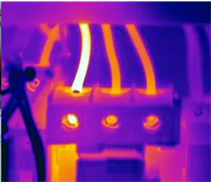
Thermographic Scanning
In today’s fast-paced industrial, commercial, and infrastructure environments, thermographic scanning and thermal imaging of electrical switchboards and equipment have become essential components of preventative maintenance strategies. Businesses that rely on electrical systems cannot afford unexpected failures, safety hazards, or costly downtime—making electrical thermographic inspections a smart and proactive solution.
This article explores why thermographic scanning is so important, how it works, and the measurable benefits it delivers for safety, compliance, and operational efficiency.
What Is Thermographic Scanning?
Thermographic scanning—also known as infrared thermography—is a non-invasive diagnostic technique used to detect temperature variations in electrical components. Using specialised thermal imaging cameras, electricians can identify abnormal heat patterns that indicate potential faults.
Unlike traditional inspection methods, thermal imaging does not require shutdowns, allowing live systems to be safely assessed in real time.
Why Thermographic Scanning Is Essential for Electrical Systems
-
Early Fault Detection
Electrical failures rarely happen instantly—they develop over time. Thermal imaging identifies hotspots caused by:
- Loose or corroded connections
- Overloaded circuits
- Phase imbalances
- Failing components
- Insulation breakdown
By performing regular thermographic scanning, these issues can be detected well before they lead to equipment failure.
*Thermal imaging electrical faults * Thermographic inspection switchboards * Electrical hot spot detection
-
Preventing Electrical Fires through thermographic scanning
One of the most critical benefits of thermal imaging on electrical switchboards is fire prevention. Overheating components are a leading cause of electrical fires.
Thermographic scanning helps identify:
- Excessive heat buildup
- Loose terminals generating resistance heat
- Overloaded cables and breakers
Addressing these issues early significantly reduces fire risk and improves workplace safety.
* Electrical fire prevention thermal imaging
* Infrared inspection electrical safety
* Switchboard thermal scanning
-
Minimising Downtime and Business Disruption
Unexpected electrical failures can halt operations, disrupt production, and lead to costly repairs.
Thermographic inspections allow businesses to:
- Schedule maintenance proactively
- Avoid emergency breakdowns
- Extend equipment lifespan
Routine thermal imaging surveys convert reactive maintenance into a predictive strategy, helping businesses stay productive and profitable.
-
Cost Savings Through Preventative Maintenance
Investing in thermographic scanning services often saves significantly more than it costs.
Benefits include:
- Reduced repair costs
- Avoidance of catastrophic equipment failure
- Lower energy losses from inefficient components
- Extended asset life
Identifying minor issues early prevents them from becoming major capital expenses.
* Preventative maintenance thermal imaging
* Electrical maintenance cost savings
* Infrared thermography services
-
Compliance and Insurance Requirements for thermographic scanning
Many insurance providers and safety standards now recommend—or require—regular electrical thermographic inspections.
Thermal reports can support compliance with:
- Workplace health and safety regulations
- Electrical safety standards
- Insurance risk management requirements
Having documented thermal imaging inspection reports demonstrates due diligence and can reduce liability.
-
Non-Invasive and Safe Inspection Method
One of the biggest advantages of infrared thermography is that it is:
- Non-contact
- Non-destructive
- Performed on live equipment
This eliminates the need for shutdowns and reduces exposure to electrical hazards during inspection.
Where Thermographic Scanning Is Used
Thermal imaging is especially valuable for:
- Electrical switchboards and distribution panels
- Circuit breakers and fuses
- Transformers
- Motor control centres
- Cables and terminations
- Industrial machinery
Regular thermal imaging of electrical equipment ensures all critical assets are performing safely and efficiently.
How Often Should Thermographic scanning Inspections Be Done?
For most facilities, annual thermographic scanning is recommended. However, higher-risk environments may require:
- Quarterly inspections
- Bi-annual thermal imaging surveys
Frequency depends on:
- Load demands
- Environmental conditions
- Criticality of equipment
Why Choose a Professional Thermographic Scanning Service?
Qualified technicians bring:
- Certified thermographers with expertise
- High-resolution thermal imaging equipment
- Detailed reporting with actionable insights
Professional electrical thermographic scanning services ensure accurate diagnosis and reliable recommendations.
Conclusion: A Smart Investment in Safety and Reliability
Thermographic scanning and thermal imaging of electrical switchboards and equipment are no longer optional—they are essential for modern electrical maintenance.
By incorporating regular infrared thermography inspections, businesses can:
- Improve safety
- Prevent electrical fires
- Reduce downtime
- Lower maintenance costs
- Meet compliance requirements
Fact Sheet – Thermographic Scans
For any organisation relying on electrical infrastructure, thermal imaging is one of the most effective tools available for risk management and preventative maintenance.